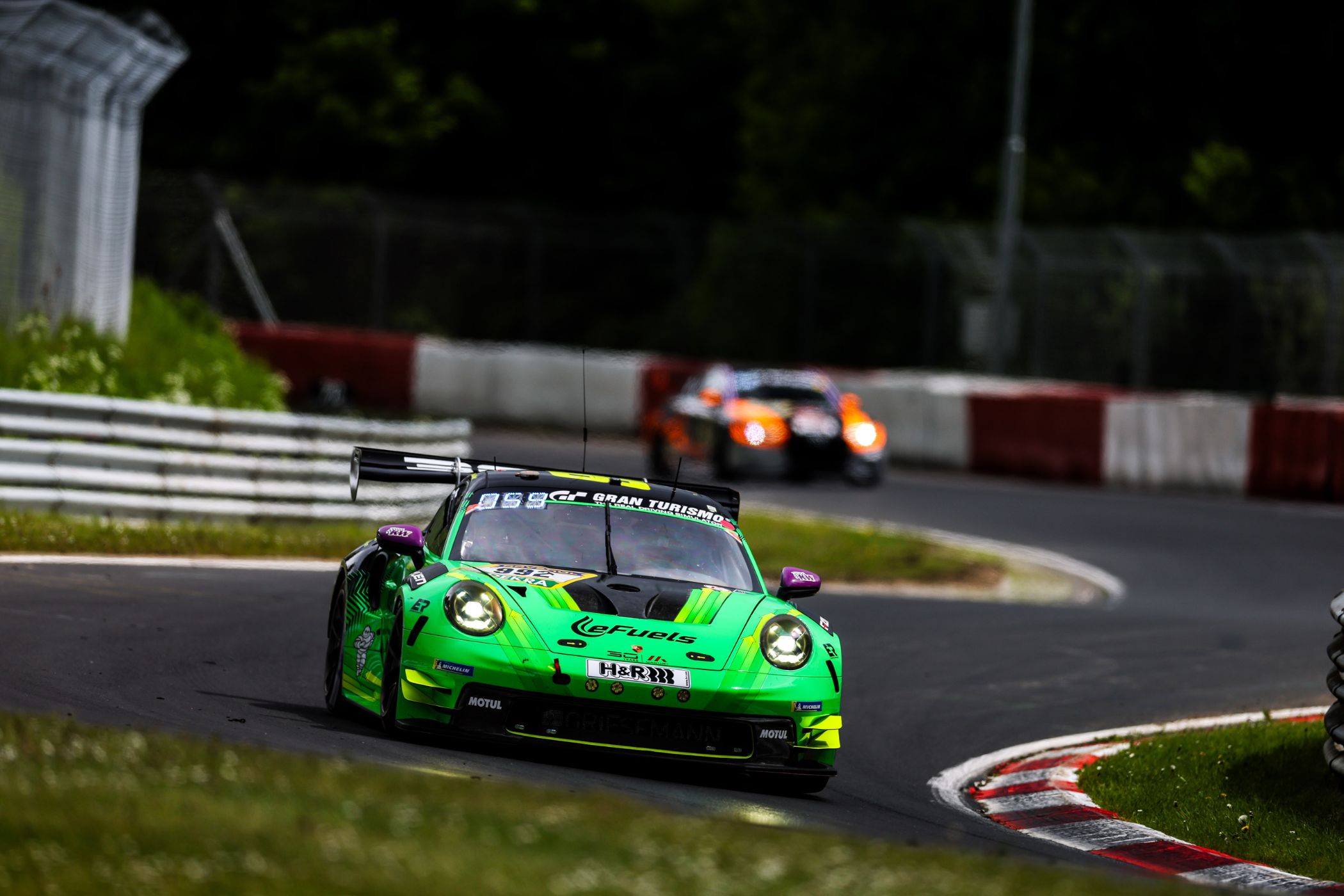
The ADAC RAVENOL 24h Nürburgring is widely regarded as one of the toughest endurance tests for both drivers and machines, making it an ideal proving ground for alternative fuels. An increasing number of teams are racing with biofuels or eFuels to show that high performance and environmental responsibility can go hand in hand. Teams such as Max Kruse Racing and Griesemann Motorsport are leading the way with different approaches to alternative fuel technology.
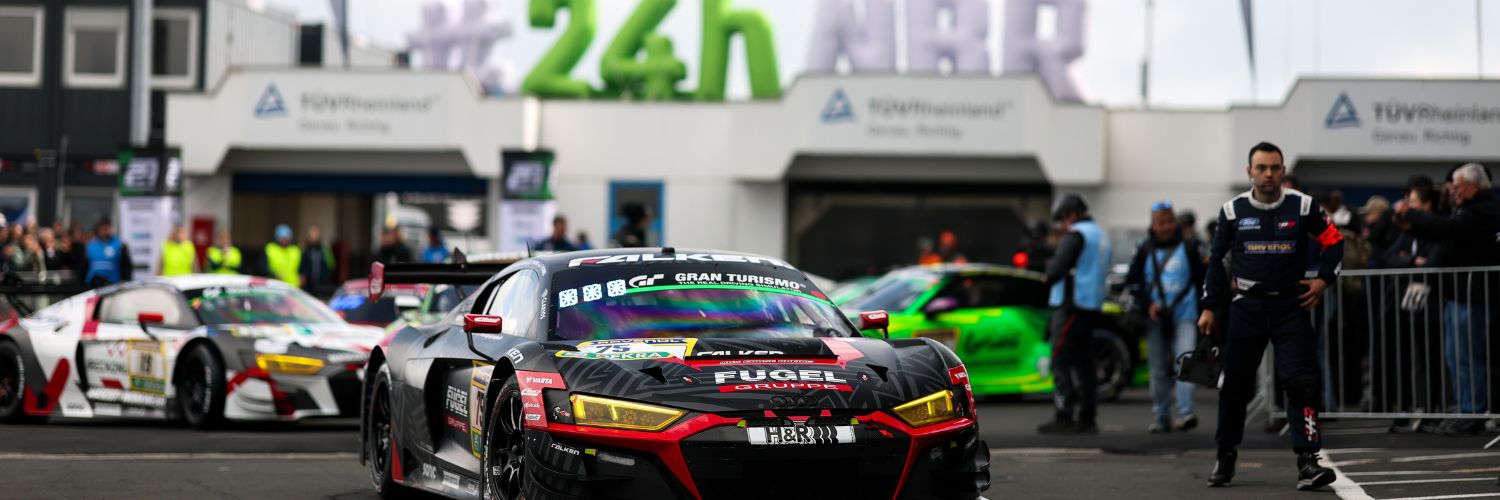
Max Kruse Racing: performance powered by biofuel
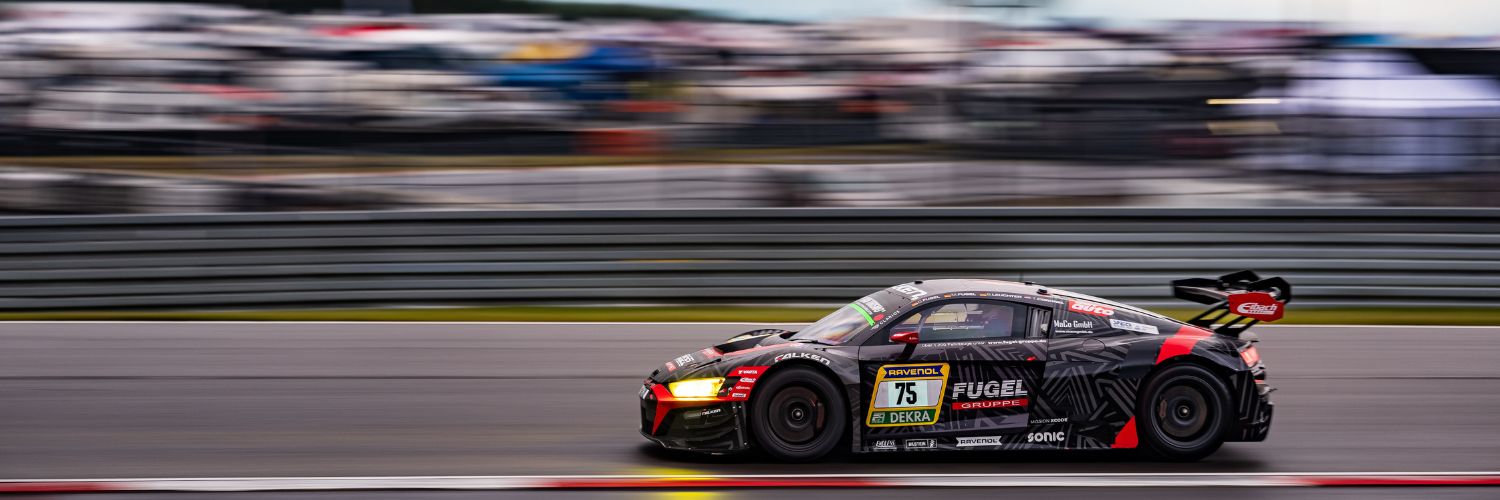
This year, Max Kruse Racing is lining up with two Audi R8 LMS GT3 Evo II cars and a special fuel blend, becoming the first team to compete in the AT class with GT3 race cars. Team founders Benjamin Leuchter and former professional footballer Max Kruse have relied on alternative fuels for years – first in smaller classes and now in AT1 as well.
The team uses a biofuel developed by Volkswagen and Shell. It is made up of 60 percent sustainable residual materials, with the remaining 40 percent consisting of conventional fuel components. “The automotive industry agrees that we will only achieve our climate goals through a combination of electric mobility and alternative fuels,” says Benjamin Leuchter. “Our fuel is is a so called ‘drop-in’ fuel. In theory, it could be used in any VW Group vehicle built from 2015 onwards and, with 103 octane, it proves that sustainability does not come at the expense of performance.”
Although the team is entering two GT3 cars for the first time and facing highly experienced rivals, its ambitions are clear. “We still need to gain more experience with the GT3,” explains Max Kruse. “The competition is extremely strong, but I believe we can establish ourselves in the top third of the field.” Alongside its sporting ambitions, Max Kruse Racing is also pursuing long-term sustainability goals, with the ultimate aim of one day competing on 100 percent sustainable fuel.
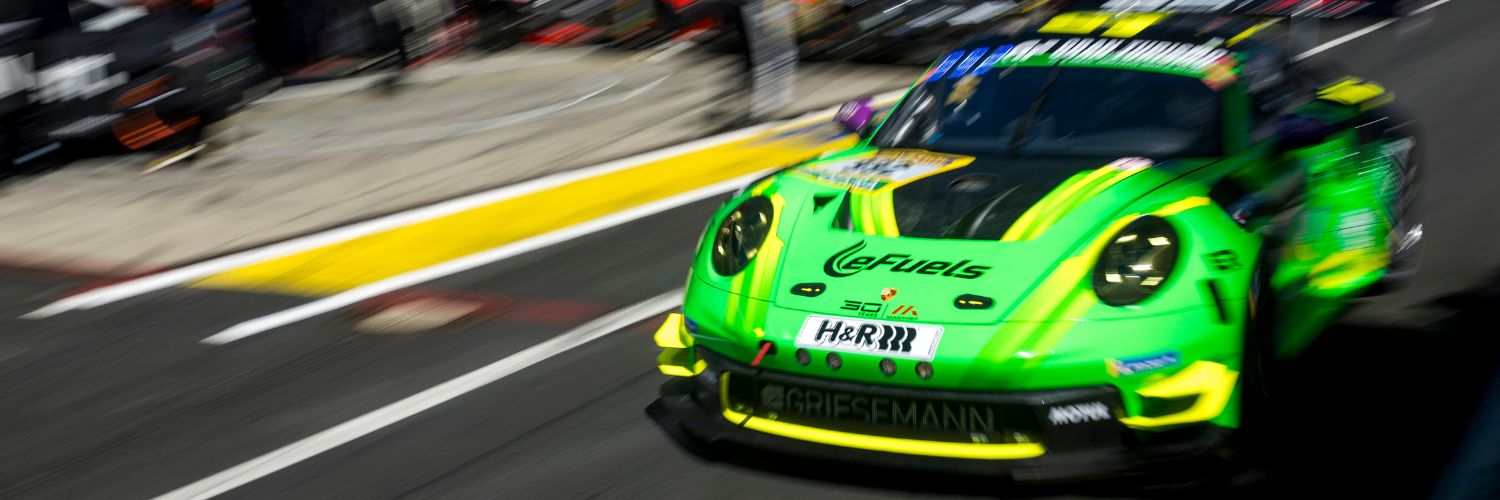
Griesemann Motorsport: eFuels as the fuel of the future
While biofuels are already available on a broader scale, Griesemann Motorsport is placing its trust in the far scarcer eFuels. The fuel is produced as part of the DeCarTrans project, a research initiative at TU Bergakademie Freiberg funded by the German Federal Ministry for Digital and Transport. The eFuel is based on eMethanol made from green hydrogen and captured CO2, and can be used in existing combustion engines without any technical modifications. This is the fuel powering the team’s bright green Porsche 911 GT3 Cup MR.
Björn Griesemann sees eFuels as the technology of the future, while viewing biofuels as the ideal bridge for the present. For him, the limiting factor is the limited supply of organic waste. However, he believes there is no alternative to eFuels for the future, particularly for air and maritime transport: “A container ship cannot run on batteries; it would sink. An airplane would not take off.”
Both teams want to send a clear message: the future should not be defined by a choice between fossil fuels and electric mobility alone. Alternative fuels are also a forward-looking technology – one that can deliver strong performance while making use of vehicles that are already on the road.